



In modern commercial construction, concrete surface finishing is a critical process that directly determines the flatness, density, durability, and aesthetic quality of industrial and commercial floors. Commercial grade mechanical troweling machines have become indispensable core equipment for large-area concrete finishing projects, replacing traditional manual troweling and low-efficiency mechanical models. Among its multiple advanced configurations, hydraulic speed adjustment technology stands out as a key upgrade that fundamentally optimizes the machine’s operating performance, construction accuracy, and adaptability to complex working conditions. This article elaborates on the working principle, core advantages, practical application values, maintenance strategies, and industry significance of hydraulic speed adjustment systems for commercial mechanical troweling machines.
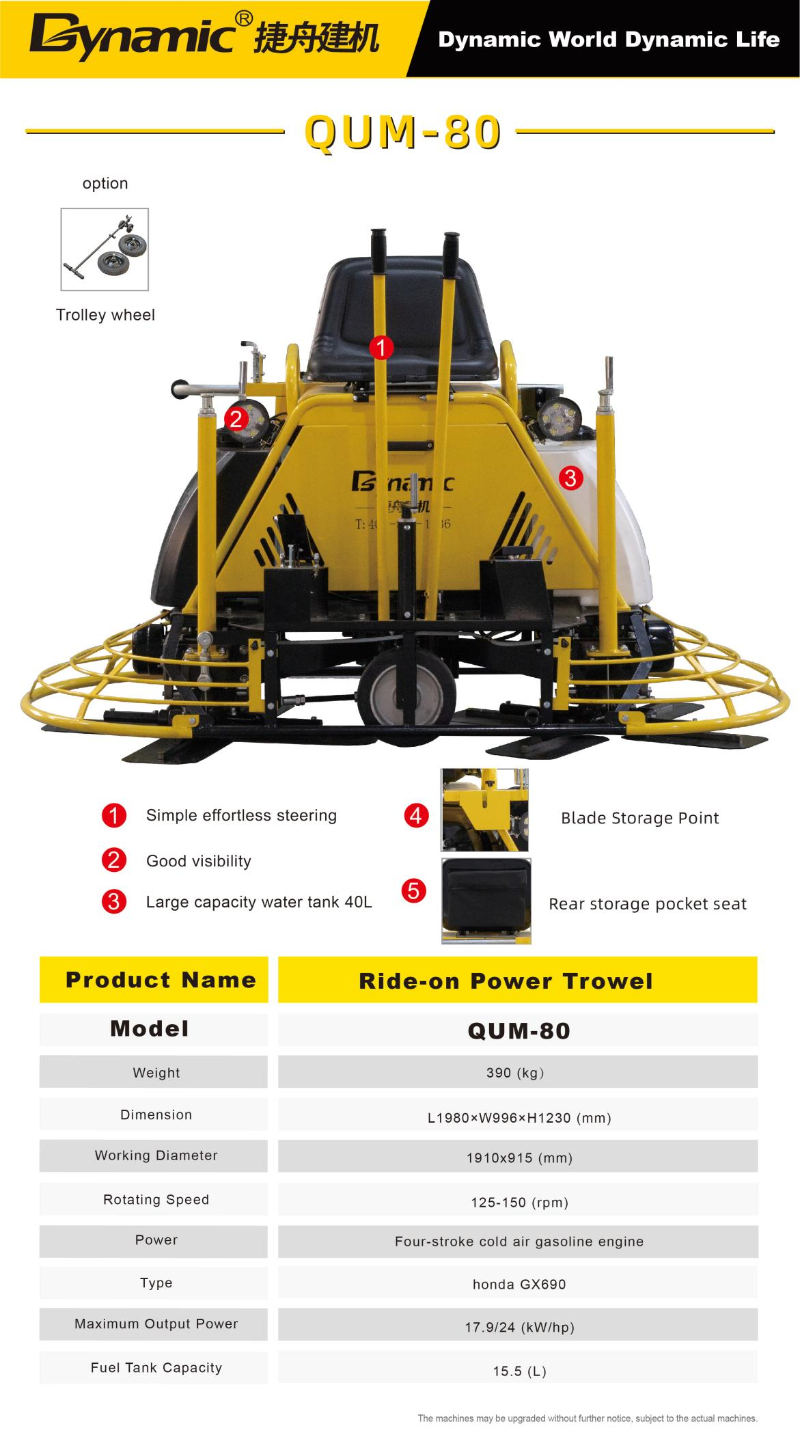
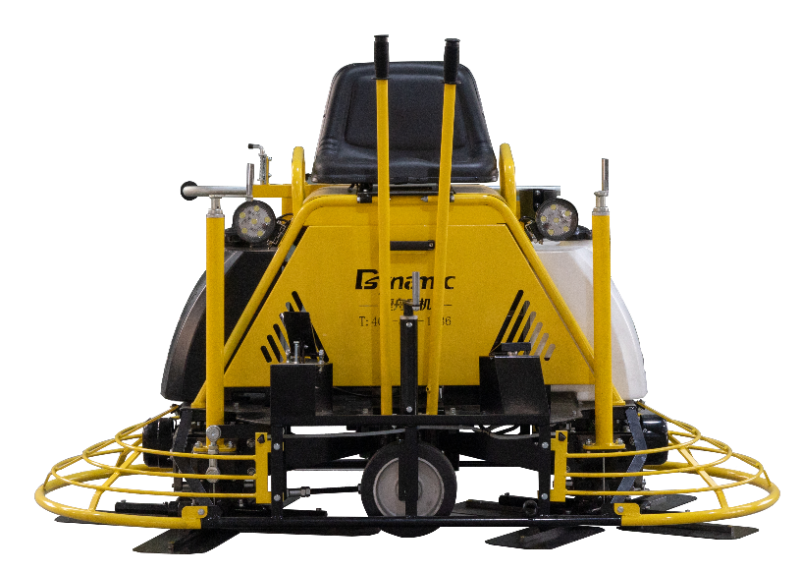
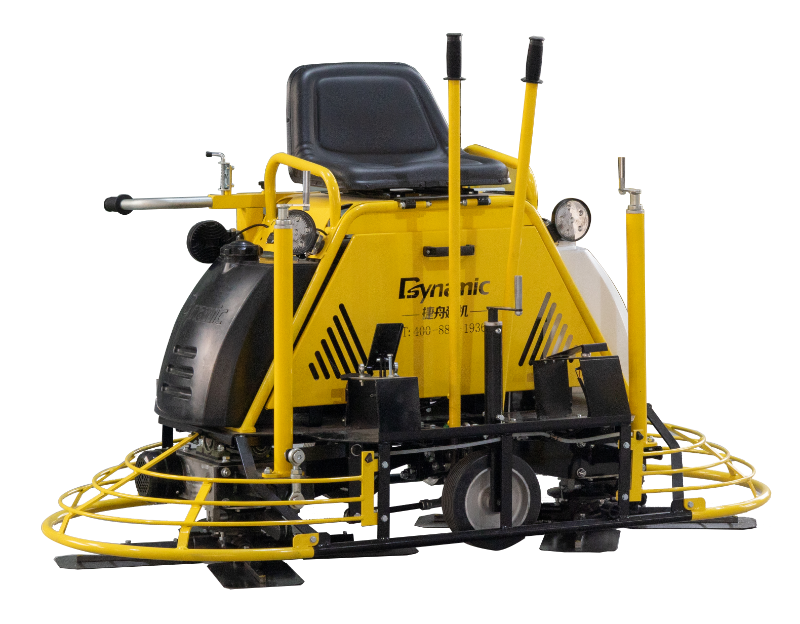
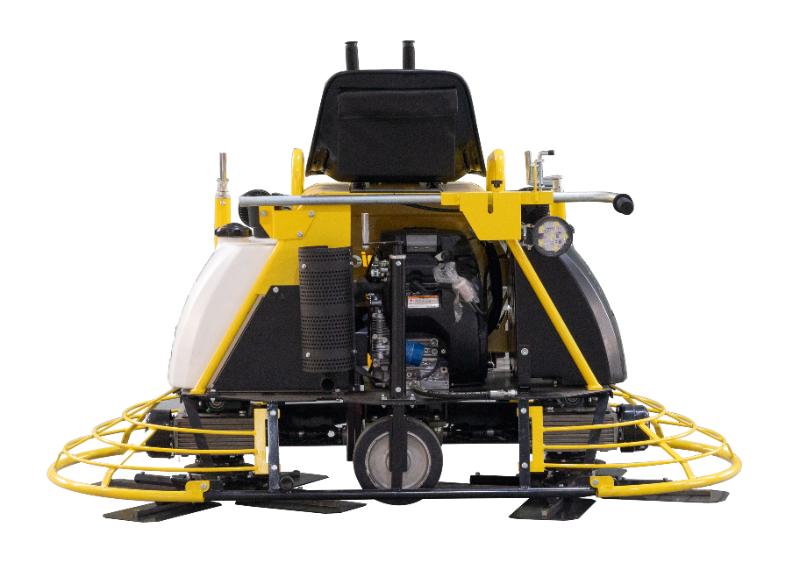
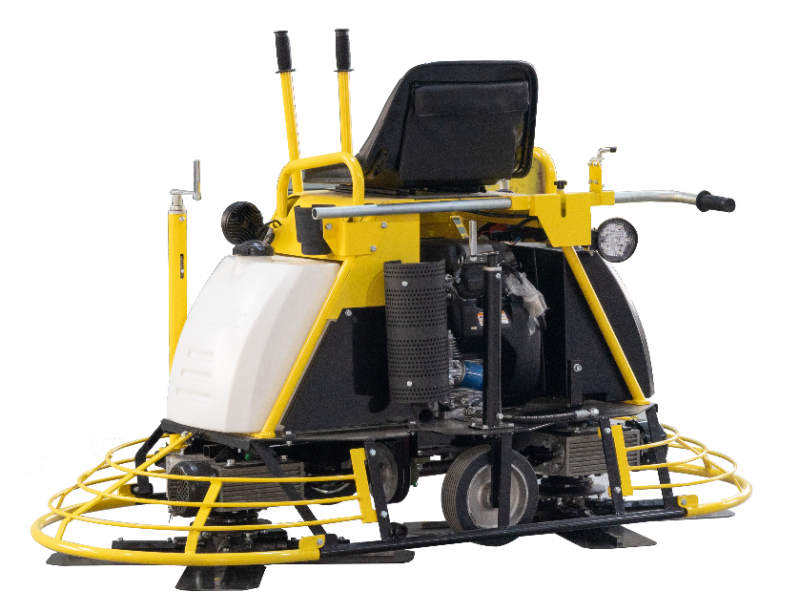
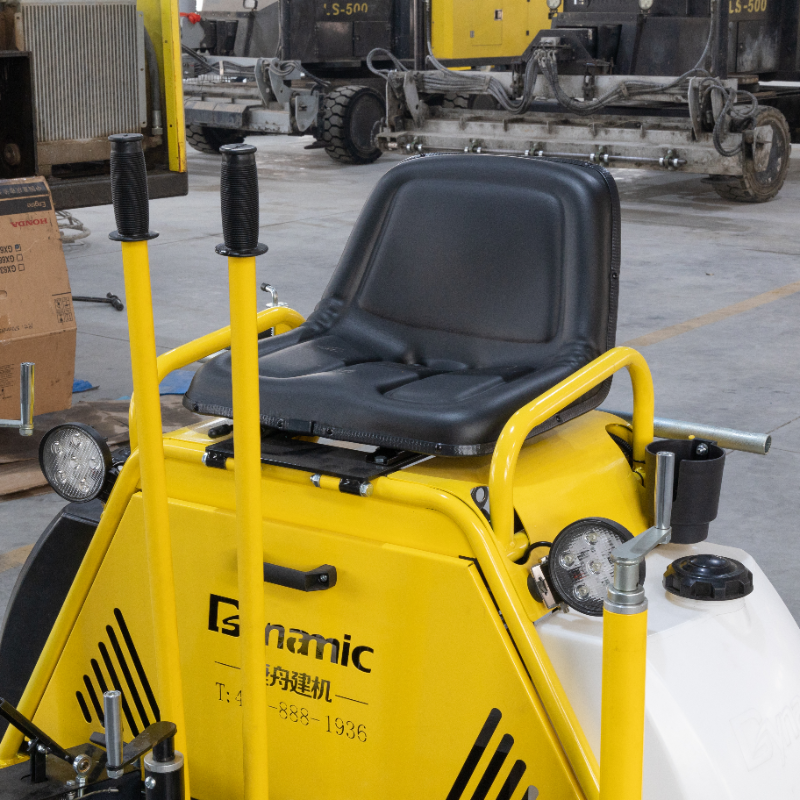
A commercial grade mechanical troweling machine is a professional engineering device designed for compacting, smoothing, and polishing freshly poured concrete surfaces. Unlike small walk-behind trowels suitable for narrow spaces and small projects, commercial models are mostly ride-on structures with higher load capacity, working efficiency, and operational stability, tailored for large-scale scenarios such as factory floors, warehouse pavements, airport runways, and commercial building floors. The working quality of the troweling machine depends heavily on the stable rotation speed of its troweling blades. Traditional mechanical fixed-speed or manual speed-adjustable trowels suffer from obvious drawbacks: rigid speed output, poor adaptability to concrete setting changes, unstable operation, and prone to uneven floor compaction and surface scratches. The integration of hydraulic speed adjustment systems perfectly solves these pain points and realizes intelligent and precise speed control for construction operations.
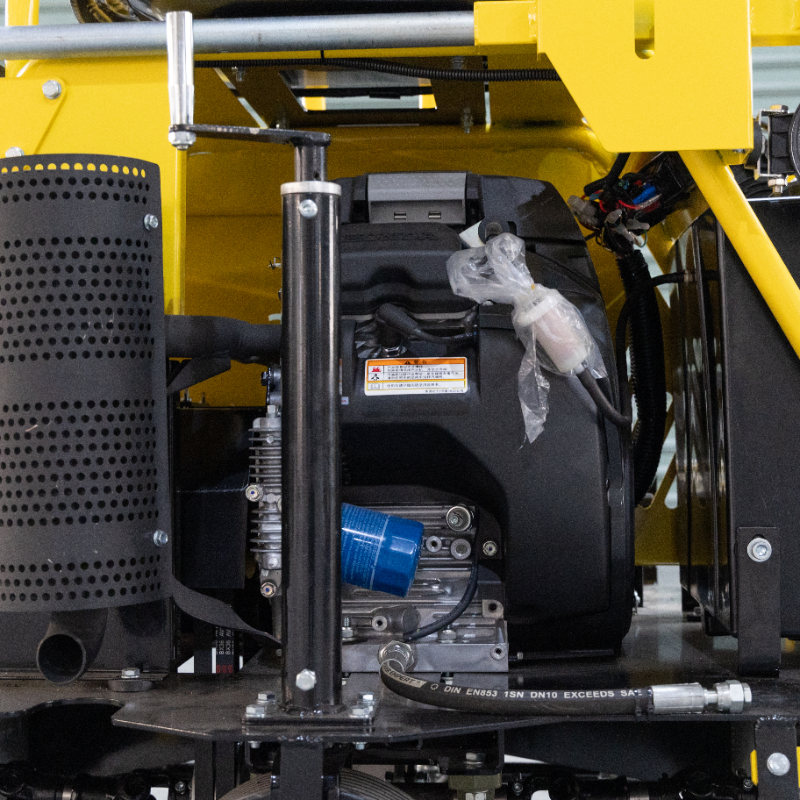
The hydraulic speed adjustment system of commercial mechanical troweling machines is based on Pascal’s hydraulic transmission principle, relying on hydraulic oil as the power transmission medium to realize stepless and dynamic adjustment of the blade rotation speed. The core system consists of a hydraulic pump, directional control valve, hydraulic motor, pressure sensor, and oil circuit circulation device. The engine drives the hydraulic pump to pressurize the hydraulic oil, and the control valve accurately adjusts the oil supply pressure and flow rate according to the operator’s instructions and real-time working conditions. The pressurized hydraulic oil is transmitted to the hydraulic motor, which converts hydraulic pressure energy into mechanical rotational energy to drive the troweling blade assembly to operate. Different from mechanical gear shifting speed regulation, hydraulic speed adjustment achieves stepless speed change within the rated range by fine-tuning oil flow, without gear switching impact or power interruption.
In actual construction, the concrete setting state changes dynamically over time. Freshly poured concrete has high fluidity and low hardness, requiring low blade rotation speed to avoid blade slippage, concrete delamination, and surface unevenness. In the middle and late stages of setting, concrete fluidity decreases and hardness gradually increases, requiring increased blade speed and reasonable pressure to complete compaction and polishing. The hydraulic speed adjustment system can respond to such changes in real time. Operators can flexibly adjust the speed through the centralized control panel during operation without stopping the machine, realizing seamless switching between floating, compacting, and polishing processes. Meanwhile, the hydraulic system has a built-in pressure self-stabilization function, which can automatically compensate for speed fluctuations caused by uneven ground resistance and load changes, ensuring consistent blade rotation speed and uniform concrete compaction density.
Hydraulic speed adjustment technology endows commercial troweling machines with multiple competitive advantages over traditional equipment. First, it delivers superior construction precision. Stepless speed regulation eliminates speed sudden changes, ensuring uniform force on the concrete surface, effectively reducing surface defects such as pitting, cracks, and uneven gloss, and significantly improving the floor’s flatness index (F-number) to meet high-standard commercial construction requirements. Second, it greatly enhances construction efficiency. The dynamic speed matching function adapts to the whole process of concrete setting, avoiding repeated construction and rework caused by inappropriate speed, and the continuous and stable operation mode improves the single-day construction area by 30%–50% compared with ordinary mechanical trowels.
Third, the hydraulic speed regulation system features high operational stability and safety. The hydraulic transmission structure has good shock absorption and buffering performance, reducing machine vibration and noise during operation, lowering operator fatigue, and avoiding equipment jitter-induced floor damage. In addition, the system is equipped with overload protection. When the blade is stuck by condensed concrete or foreign matter, the hydraulic oil pressure automatically releases to cut off power transmission, effectively protecting the gearbox, blade, and power system from damage and extending the equipment service life. Fourth, the operation threshold is low. The centralized hydraulic speed control is simple and intuitive, enabling novice operators to quickly master operation skills and reduce human error in construction.
Commercial mechanical troweling machines with hydraulic speed adjustment systems are widely applied in high-standard concrete finishing scenarios. In industrial fields such as large factories, logistics warehouses, and parking lots, the equipment creates high-density, wear-resistant, and dust-proof concrete floors that withstand long-term heavy forklift and mechanical rolling. In commercial buildings including shopping malls, office buildings, and hotels, it provides smooth and aesthetic floor surfaces that meet high indoor decoration standards. In infrastructure projects such as airport runways and municipal roads, its precise speed control ensures overall floor uniformity and structural stability, improving the durability and service life of concrete structures.
To maintain the stable performance of the hydraulic speed adjustment system and extend equipment service life, standardized daily maintenance is essential. Operators should regularly check the hydraulic oil level and oil quality, replace deteriorated hydraulic oil on schedule, and clean oil filter elements to prevent impurities from blocking the oil circuit and affecting speed regulation accuracy. It is also necessary to inspect the tightness of hydraulic pipelines and joints to avoid oil leakage that causes insufficient pressure and speed instability. In addition, regular debugging of the hydraulic control valve and pressure sensor ensures sensitive speed response and accurate adjustment. Standardized operation and maintenance can effectively reduce equipment failure rates and lower long-term construction costs.
In conclusion, hydraulic speed adjustment technology is the core technological support for the upgrading of commercial grade mechanical troweling machines. It overcomes the inherent defects of traditional speed regulation modes, realizes precise, stable, and efficient dynamic matching between equipment operation and concrete construction conditions, and comprehensively improves construction quality, efficiency, and safety. With the continuous upgrading of commercial construction standards and the increasing demand for high-precision concrete floors, hydraulic speed-adjustable mechanical troweling machines have become the mainstream choice in the construction industry. Their popularization and application not only promote the refinement and intelligence of concrete finishing processes but also provide reliable equipment guarantee for the high-quality development of modern commercial construction engineering.
Post time: Jun-15-2026